
Introduction
Navigating the Canadian rental market can feel overwhelming, especially when you need to rent an apartment in Canada without credit history. For many newcomers, this is one of the first major challenges after arrival. Landlords often use credit scores to evaluate financial reliability, but as a recent immigrant, international student, or temporary worker, you may not have had time to build Canadian credit yet.
The good news: renting without Canadian credit history is absolutely possible. You simply need to show landlords that you are financially stable, responsible, and prepared through alternative documents and smart rental strategies.
This guide from First Year Canada explains exactly how to secure your first rental home in 2026.
Who This Guide Is For
This guide is designed for:
- New immigrants and permanent residents
- International students seeking off-campus housing
- Temporary foreign workers
- First-time renters in Canada
- Anyone trying to rent an apartment in Canada without credit history
If you’re in your first weeks or months in Canada and struggling to get approved, this guide is for you.
Why Credit History Matters in Canada (and What to Do Instead)
In Canada, landlords often check your credit report to see how reliably you’ve borrowed and repaid money. A strong credit score can reassure landlords that rent payments will be on time.
As a newcomer, you may not have a Canadian credit profile yet—but that doesn’t mean you can’t rent.
Your Alternatives:
Instead of credit history, landlords may accept:
- Proof of employment
- Recent pay stubs
- Bank statements
- Savings or proof of funds
- Reference letters
- A guarantor or co-signer
Your goal is to replace missing credit history with strong evidence that you can consistently pay rent.
Step-by-Step Guide: How to Rent Without Canadian Credit History
Step 1: Gather Alternative Proof of Financial Stability
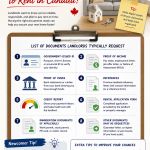
Prepare as many of these documents as possible:
Proof of Employment
- Job offer letter
- Employment confirmation letter
- Recent pay stubs (2–3 if possible)
Proof of Income
- Self-employment records
- Scholarship or student funding documents
- Government assistance or sponsorship proof
Bank Statements
- 3–6 months of statements from Canadian or international accounts
- Show enough savings for rent + living expenses
Savings / Investment Statements
- GICs, savings accounts, or investment balances
References
- Previous landlords (even from your home country )
- Employers
- Professors or academic advisors
Guarantor / Co-signer
A trusted person with Canadian income and good credit can significantly improve approval chances.
Step 2: Create a Strong Rental Application Package
A professional rental package can set you apart from other applicants.
Include:
- Cover letter introducing yourself
- Employment letter
- Pay stubs or proof of funds
- Bank statements
- Reference letters
- Immigration documents (PR card, study permit, or work permit)
- Completed rental application form
Pro Tip:
Explain clearly that you are new to Canada and are actively building your financial profile.
Step 3: Set a Realistic Budget
Before apartment hunting, understand :
- Monthly rent
- Utilities
- Internet
- Transportation
- Tenant insurance
Example:
In major cities like Toronto or Vancouver, newcomers may need CAD $2,000–$3,000+ monthly for housing alone.
Knowing your budget prevents wasted applications.
Step 4: Use Smart Apartment Search Strategies
Focus on :
Smaller Landlords or Private Owners
Private landlords may be more flexible than large corporations.
Shared Housing or Sublets
Room rentals often require less strict screening.
Honesty
Be upfront about lacking Canadian credit and immediately present your financial alternatives.
Legal Upfront Payments
In many provinces, landlords can request first and last month’s rent—but always verify provincial laws.
Search Platforms:
- Rentals.ca
- Kijiji
- Facebook Marketplace
- Realtor.ca
- University housing boards
Step 5: Learn Your Provincial Tenant Rights
Rental laws vary by province.
Important Areas :
- Deposit limits
- Lease requirements
- Rent increases
- Eviction rules
- Repair responsibilities
Examples:
- Ontario: First and last month’s rent is common
- BC: Half-month security deposit standard
- Quebec: Different rules on deposits
Always review local tenancy laws before signing.
Newcomer Rental Checklist
Before Applying :
✓ Immigration documents ready
✓ Canadian bank account opened
✓ Proof of employment or funds
✓ 3–6 months of bank statements
✓ References collected
✓ Budget calculated
✓ Cover letter prepared
✓ Provincial tenancy laws researched
Common Landlord Requirements vs Newcomer Alternatives
| Landlord Requirement | Newcomer Alternative | Benefit |
|---|---|---|
| Credit Check | Bank statements, savings, guarantor | Shows payment ability |
| Employment Proof | Offer letter, scholarship, savings | Demonstrates income |
| Rental References | Overseas landlord or employer references | Builds trust |
| Security Deposit | First/last month’s rent | Standard legal protection |
Common Mistakes to Avoid
1. Rental Scams
Avoid listings asking for deposits before viewing.
2. Signing Without Understanding
Read every lease carefully .
3. Ignoring Local Laws
Provincial regulations matter.
4. Weak Documentation
The stronger your paperwork, the better.
5. Giving Up Too Quickly
Many newcomers face rejection before approval.
FAQ
Can I rent in Canada without a job?
Yes, but you’ll likely need savings, proof of funds, or a guarantor.
What is a guarantor?
Someone who agrees to cover rent if you cannot.
How much rent can landlords ask upfront?
This depends on provincial law—often first and last month only.
Do I need renter’s insurance?
Not always mandatory, but highly recommended and often required.
How do I build credit after moving?
Use secured credit cards, pay bills on time, and maintain low balances.
Final Tips for Success
Be Prepared
Have documents organized before applying.
Be Professional
A strong first impression matters.
Be Flexible
Shared housing or suburban rentals may be easier at first.
Be Persistent
Your first approval may take time.
Conclusion
Renting an apartment in Canada without credit history can be challenging, but thousands of newcomers do it successfully every year. By preparing strong financial documents, understanding provincial laws, and targeting flexible landlords, you can secure safe housing even without a Canadian credit score.
Your first rental may not be perfect—but it can be the first step toward building stability, credit, and long-term success in Canada.
Disclaimer
This article is for informational purposes only and does not constitute legal, financial, or housing advice. Rental laws vary by province and may change over time. Always verify information through official provincial or federal resources.