financial literacy - First Year Canada
First Year Canada

First Year Canada

  • Start Here
    Using credit card responsibly in Canada is a practical topic for newcomers who want clear, begi er-friendly information about their first year in Canada. Learning how to use a credit card responsibly in Canada is one of the most important financial steps for newcomers.  A credit card, when managed properly, is a powerful tool for building a strong credit history, which is essential for many aspects of Canadian life, from renting an apartment to securing a loan for a car or even a mortgage. As of May 3, 2026, understanding Canada's credit system and how to navigate it as a newcomer is more crucial than ever. This guide will provide you with clear, actionable advice to help you establish healthy credit habits from day one.

    Who This Guide Is For

    This comprehensive guide is specifically designed for:
    • New immigrants and permanent residents: Those establishing their financial life in Canada for the first time.
    • International students: Understanding credit card use while managing a student budget.
    • Temporary foreign workers: Building a financial footprint during their stay.
    • Anyone new to Canada: Seeking practical, begier-friendly advice on Canadian financial practices.

    Practical Explanation: Credit Cards in Canada

    In Canada, a credit card is a payment method that allows you to borrow money up to a certain limit (your credit limit) from a financial institution to make purchases. Unlike a debit card, which uses money directly from your bank account, a credit card uses borrowed funds that you must pay back later. Here's how it generally works:
    1. You make a purchase: When you use your credit card, the financial institution pays the merchant on your behalf.
    2. You receive a statement: At the end of each billing cycle (usually monthly), you'll get a statement detailing your purchases, payments, and the total amount owing.
    3. You pay your bill: You have a due date to pay your bill. You can pay the full balance, a partial amount, or just the minimum payment.
    4. Interest charges: If you don't pay your full balance by the due date, you'll be charged interest on the remaining amount. Interest rates on credit cards can be high, often ranging from 19.99% to 24.99% or more.
    For newcomers, building credit in Canada is vital. A good credit history and credit score will make it easier to rent a home, get a phone plan, open utility accounts, and access better rates on future loans. It's a testament to your financial reliability.

    Step-by-Step: How to Use Your Credit Card Responsibly

    Follow these steps to ensure you are using credit card responsibly in Canada and establishing a strong financial foundation:

    Step 1: Get the Right Credit Card for Newcomers

    As a newcomer, you might not qualify for premium credit cards right away. Consider these options:
    • Secured Credit Card: You provide a security deposit (e.g., $500), which becomes your credit limit. This is a great way to start building credit.
    • Student Credit Card: If you're an international student, many banks offer cards tailored to your needs, often with lower limits and specific benefits.
    • Newcomer Credit Card Programs: Some major Canadian banks have special programs for newcomers that help you get a credit card without an established credit history. This often requires you to open a bank account with them.
    • Low-Limit Card: Start with a card that has a small credit limit (e.g., $500-$1,000) to minimize the  risk of overspending.

    Step 2: Understand Your Cardholder Agreement

    Before activating your card, read the agreement carefully. Pay attention to:
    • Aual Fee : Some cards charge a yearly fee.
    • Interest Rate (APR): The rate you'll pay on balances carried over .
    • Grace Period: The number of interest-free days you have to pay your bill in full .
    • Late Payment Fees: Penalties for missing a payment .
    • Cash Advance Fees: High fees for withdrawing cash using your credit card .

    Step 3: Use Your Card for Manageable  Purchases

    Don't use your credit card for everything, especially at the begi ing. Use it for small , regular expenses that you know you can easily pay off , such as :
    •  Groceries
    •  Gas
    •  Monthly subscriptions (e.g., phone bill)
    •  One-time small purchases
    This allows you to demonstrate consistent use and repayment without accumulating debt .

    Step 4 : Pay Your Balance in Full , On Time , Every Month

    This is the golden rule of responsible credit card use. Paying your full balance by the due date:
    • Avoids interest charges: Saving you money.
    • Builds excellent credit history: Showing lenders you are reliable.
    • Keeps your credit utilization low: A key factor in your credit score.
    Set up automatic payments from your bank account to ensure you never miss a due date. Consider adding reminders to your personal  first month in Canada checklist to prioritize bill payments.

    Step 5: Keep Your Credit Utilization Low

    Credit utilization is the amount of credit you're using compared to your total available credit limit. For example, if your limit is $1,000 and you owe $300, your utilization is 30%. Financial experts recommend keeping this ratio below 30% for a good credit score. Lower is generally better.

    Step 6: Monitor Your Statements Regularly

    Review your monthly credit card statements for any unauthorized transactions or errors. Report any suspicious activity  to your bank immediately. This also helps you track your spending and stick to your cost of living budget in Canada.

    Step 7: Protect Your Card Information

    Be vigilant about protecting your credit card number, expiry date, and security code. Only use your card on secure websites  (look for "https://" and a padlock icon). Never share your PIN with anyone.

    Checklist for Responsible Credit Card  Use

    • ✅ Apply for a suitable newcomer-friendly credit card (secured, student, or low-limit).
    • ✅ Read and understand your cardholder agreement, especially fees and interest rates.
    • ✅ Use your credit card for small, essential purchases you can afford to repay.
    • ✅ Pay your full credit card balance by the due date every single month.
    • ✅ Set up automatic payments to avoid missing due dates.
    • ✅ Keep your credit utilization below 30% of your total credit limit.
    • ✅ Review your monthly statements for accuracy and unauthorized charges.
    • ✅ Protect your credit card number, PIN, and online account details from fraud.
    • ✅ Avoid cash advances and balance transfers if possible, as they come with high fees.
    • ✅ Do not close your oldest credit card account, as it contributes to your credit history length.

    Key Credit Card Terms for Newcomers

    Term Explanation Why It Matters for Newcomers
    Credit Limit The maximum amount of money you can borrow on your credit card. Start with a lower limit to manage spending and build trust.
    Interest Rate (APR) The a ual percentage rate charged on outstanding balances. Pay your balance in full to avoid high interest costs.
    Minimum Payment The smallest amount you must pay by the due date to keep your account in good standing. Paying only the minimum leads to more interest and longer debt. Always aim for full payment.
    Due Date The date by which your payment must be received to avoid late fees and interest charges. Missing this date hurts your credit score significantly.
    Grace Period The period between the end of your billing cycle and your payment due date, during which no interest is charged if you pay in full. Utilize this period by paying in full before it ends to avoid interest.
    Credit Utilization The ratio of your outstanding balance to your total credit limit. Keeping this low (under 30%) positively impacts your credit score.
    Credit Score A three-digit number representing your creditworthiness, based on your credit history. A good score (660+) is essential for renting, loans, and other financial services in Canada.

    Common Mistakes to Avoid When Using a Credit Card

    Newcomers can sometimes fall into common traps. Be aware of these pitfalls:
    1. Missing Payments: Even one missed payment can severely damage your credit score and incur late fees. This is one of the biggest common newcomer mistakes in Canada to avoid.
    2. Only Paying the Minimum: While it prevents late fees, only paying the minimum means you'll pay a lot more in interest over time and it takes longer to pay off your debt.
    3. Maxing Out Your Card: Consistently using close to your credit limit (high credit utilization) negatively impacts your credit score.
    4. Using Cash Advances: Cash advances come with immediate, high interest rates and often a separate fee, making them very expensive.
    5. Applying for Too Many Cards: Each credit application results in a " hard inquiry" on your credit report, which can temporarily lower your score. Apply only when necessary.
    6. Ignoring Statements: Not reviewing your statements can lead to missed fraud detection or uoticed fees and interest charges.
    7. Lending Your Card to Others: You are responsible for all charges made on your card, even if someone else uses it with your permission.

    Frequently Asked Questions About Credit Cards in Canada

    Q: What if I don't have a credit history in Canada?

    A: Many newcomers arrive without a Canadian credit history. Start with a secured credit card or a newcomer-friendly program offered by banks. These are designed to help you build your credit from scratch. You can also explore options like a credit builder loan. For more details, refer to our guide on  building credit in Canada. Having no credit history can also impact other areas, such as how to rent an apartment in Canada without credit history.

    Q: How often should I use my credit card?

    A: You should use your credit card regularly enough to generate activity on your credit report , but only for purchases you can afford to pay off. Using it once or twice a month for small, recurring expenses (like a streaming service or a small grocery bill) and paying it off in full is an effective strategy.

    Q: What is a good credit utilization ratio?

    A: Aim to keep your credit utilization ratio below 30%. For example, if your total credit limit across all cards is $2 ,000, try to keep your outstanding balance below $600. The lower your utilization, the better it generally is for your credit score.

    Q: What happens if I miss a payment?

    A: Missing a payment has serious consequences. Your credit score will likely drop significantly, you'll incur late fees, and interest will be charged on your outstanding balance. Consistent missed payments can lead to higher interest rates, difficulty getting future loans, and even collection calls.

    Q: Can I have multiple credit cards?

    A: Yes, you can have multiple credit cards. However , it's generally recommended for newcomers to start with one card and manage it responsibly before considering others. Having multiple cards can increase your total available credit, which can be good for your utilization ratio if you don't use it all. But it also increases the temptation to overspend and the complexity of managing multiple due dates.

    Important Disclaimer

    This article is for general information only and does not provide financial, legal, tax, or immigration advice. Rules, requirements, fees, and programs may change. Always check official sources or speak with a qualified professional before making decisions.

    Sources and Official Resources

    • Financial Consumer Agency of Canada (FCAC): Information on credit cards and consumer rights. Readers should check the official FCAC website.
    • Major Canadian Banks (e.g., RBC, TD, Scotiabank, BMO, CIBC): Offer various credit card products and newcomer programs. Readers should check the official websites of major Canadian banks for current offerings.
    • Equifax Canada and TransUnion Canada: Canada's two main credit bureaus, providing information on credit reporting and scores. Readers should check their official websites for accurate information.

    Mastering how to use a credit card responsibly in Canada is a crucial skill for newcomers. By understanding the basics, adopting sound financial habits, and avoiding common mistakes, you can build a strong credit history that will open doors to many opportunities in your new country. Start small, pay in full, and stay informed, and you'll be  well on your way to financial success in Canada.
  • Banking
    Using credit card responsibly in Canada is a practical topic for newcomers who want clear, begi er-friendly information about their first year in Canada. Learning how to use a credit card responsibly in Canada is one of the most important financial steps for newcomers.  A credit card, when managed properly, is a powerful tool for building a strong credit history, which is essential for many aspects of Canadian life, from renting an apartment to securing a loan for a car or even a mortgage. As of May 3, 2026, understanding Canada's credit system and how to navigate it as a newcomer is more crucial than ever. This guide will provide you with clear, actionable advice to help you establish healthy credit habits from day one.

    Who This Guide Is For

    This comprehensive guide is specifically designed for:
    • New immigrants and permanent residents: Those establishing their financial life in Canada for the first time.
    • International students: Understanding credit card use while managing a student budget.
    • Temporary foreign workers: Building a financial footprint during their stay.
    • Anyone new to Canada: Seeking practical, begier-friendly advice on Canadian financial practices.

    Practical Explanation: Credit Cards in Canada

    In Canada, a credit card is a payment method that allows you to borrow money up to a certain limit (your credit limit) from a financial institution to make purchases. Unlike a debit card, which uses money directly from your bank account, a credit card uses borrowed funds that you must pay back later. Here's how it generally works:
    1. You make a purchase: When you use your credit card, the financial institution pays the merchant on your behalf.
    2. You receive a statement: At the end of each billing cycle (usually monthly), you'll get a statement detailing your purchases, payments, and the total amount owing.
    3. You pay your bill: You have a due date to pay your bill. You can pay the full balance, a partial amount, or just the minimum payment.
    4. Interest charges: If you don't pay your full balance by the due date, you'll be charged interest on the remaining amount. Interest rates on credit cards can be high, often ranging from 19.99% to 24.99% or more.
    For newcomers, building credit in Canada is vital. A good credit history and credit score will make it easier to rent a home, get a phone plan, open utility accounts, and access better rates on future loans. It's a testament to your financial reliability.

    Step-by-Step: How to Use Your Credit Card Responsibly

    Follow these steps to ensure you are using credit card responsibly in Canada and establishing a strong financial foundation:

    Step 1: Get the Right Credit Card for Newcomers

    As a newcomer, you might not qualify for premium credit cards right away. Consider these options:
    • Secured Credit Card: You provide a security deposit (e.g., $500), which becomes your credit limit. This is a great way to start building credit.
    • Student Credit Card: If you're an international student, many banks offer cards tailored to your needs, often with lower limits and specific benefits.
    • Newcomer Credit Card Programs: Some major Canadian banks have special programs for newcomers that help you get a credit card without an established credit history. This often requires you to open a bank account with them.
    • Low-Limit Card: Start with a card that has a small credit limit (e.g., $500-$1,000) to minimize the  risk of overspending.

    Step 2: Understand Your Cardholder Agreement

    Before activating your card, read the agreement carefully. Pay attention to:
    • Aual Fee : Some cards charge a yearly fee.
    • Interest Rate (APR): The rate you'll pay on balances carried over .
    • Grace Period: The number of interest-free days you have to pay your bill in full .
    • Late Payment Fees: Penalties for missing a payment .
    • Cash Advance Fees: High fees for withdrawing cash using your credit card .

    Step 3: Use Your Card for Manageable  Purchases

    Don't use your credit card for everything, especially at the begi ing. Use it for small , regular expenses that you know you can easily pay off , such as :
    •  Groceries
    •  Gas
    •  Monthly subscriptions (e.g., phone bill)
    •  One-time small purchases
    This allows you to demonstrate consistent use and repayment without accumulating debt .

    Step 4 : Pay Your Balance in Full , On Time , Every Month

    This is the golden rule of responsible credit card use. Paying your full balance by the due date:
    • Avoids interest charges: Saving you money.
    • Builds excellent credit history: Showing lenders you are reliable.
    • Keeps your credit utilization low: A key factor in your credit score.
    Set up automatic payments from your bank account to ensure you never miss a due date. Consider adding reminders to your personal  first month in Canada checklist to prioritize bill payments.

    Step 5: Keep Your Credit Utilization Low

    Credit utilization is the amount of credit you're using compared to your total available credit limit. For example, if your limit is $1,000 and you owe $300, your utilization is 30%. Financial experts recommend keeping this ratio below 30% for a good credit score. Lower is generally better.

    Step 6: Monitor Your Statements Regularly

    Review your monthly credit card statements for any unauthorized transactions or errors. Report any suspicious activity  to your bank immediately. This also helps you track your spending and stick to your cost of living budget in Canada.

    Step 7: Protect Your Card Information

    Be vigilant about protecting your credit card number, expiry date, and security code. Only use your card on secure websites  (look for "https://" and a padlock icon). Never share your PIN with anyone.

    Checklist for Responsible Credit Card  Use

    • ✅ Apply for a suitable newcomer-friendly credit card (secured, student, or low-limit).
    • ✅ Read and understand your cardholder agreement, especially fees and interest rates.
    • ✅ Use your credit card for small, essential purchases you can afford to repay.
    • ✅ Pay your full credit card balance by the due date every single month.
    • ✅ Set up automatic payments to avoid missing due dates.
    • ✅ Keep your credit utilization below 30% of your total credit limit.
    • ✅ Review your monthly statements for accuracy and unauthorized charges.
    • ✅ Protect your credit card number, PIN, and online account details from fraud.
    • ✅ Avoid cash advances and balance transfers if possible, as they come with high fees.
    • ✅ Do not close your oldest credit card account, as it contributes to your credit history length.

    Key Credit Card Terms for Newcomers

    Term Explanation Why It Matters for Newcomers
    Credit Limit The maximum amount of money you can borrow on your credit card. Start with a lower limit to manage spending and build trust.
    Interest Rate (APR) The a ual percentage rate charged on outstanding balances. Pay your balance in full to avoid high interest costs.
    Minimum Payment The smallest amount you must pay by the due date to keep your account in good standing. Paying only the minimum leads to more interest and longer debt. Always aim for full payment.
    Due Date The date by which your payment must be received to avoid late fees and interest charges. Missing this date hurts your credit score significantly.
    Grace Period The period between the end of your billing cycle and your payment due date, during which no interest is charged if you pay in full. Utilize this period by paying in full before it ends to avoid interest.
    Credit Utilization The ratio of your outstanding balance to your total credit limit. Keeping this low (under 30%) positively impacts your credit score.
    Credit Score A three-digit number representing your creditworthiness, based on your credit history. A good score (660+) is essential for renting, loans, and other financial services in Canada.

    Common Mistakes to Avoid When Using a Credit Card

    Newcomers can sometimes fall into common traps. Be aware of these pitfalls:
    1. Missing Payments: Even one missed payment can severely damage your credit score and incur late fees. This is one of the biggest common newcomer mistakes in Canada to avoid.
    2. Only Paying the Minimum: While it prevents late fees, only paying the minimum means you'll pay a lot more in interest over time and it takes longer to pay off your debt.
    3. Maxing Out Your Card: Consistently using close to your credit limit (high credit utilization) negatively impacts your credit score.
    4. Using Cash Advances: Cash advances come with immediate, high interest rates and often a separate fee, making them very expensive.
    5. Applying for Too Many Cards: Each credit application results in a " hard inquiry" on your credit report, which can temporarily lower your score. Apply only when necessary.
    6. Ignoring Statements: Not reviewing your statements can lead to missed fraud detection or uoticed fees and interest charges.
    7. Lending Your Card to Others: You are responsible for all charges made on your card, even if someone else uses it with your permission.

    Frequently Asked Questions About Credit Cards in Canada

    Q: What if I don't have a credit history in Canada?

    A: Many newcomers arrive without a Canadian credit history. Start with a secured credit card or a newcomer-friendly program offered by banks. These are designed to help you build your credit from scratch. You can also explore options like a credit builder loan. For more details, refer to our guide on  building credit in Canada. Having no credit history can also impact other areas, such as how to rent an apartment in Canada without credit history.

    Q: How often should I use my credit card?

    A: You should use your credit card regularly enough to generate activity on your credit report , but only for purchases you can afford to pay off. Using it once or twice a month for small, recurring expenses (like a streaming service or a small grocery bill) and paying it off in full is an effective strategy.

    Q: What is a good credit utilization ratio?

    A: Aim to keep your credit utilization ratio below 30%. For example, if your total credit limit across all cards is $2 ,000, try to keep your outstanding balance below $600. The lower your utilization, the better it generally is for your credit score.

    Q: What happens if I miss a payment?

    A: Missing a payment has serious consequences. Your credit score will likely drop significantly, you'll incur late fees, and interest will be charged on your outstanding balance. Consistent missed payments can lead to higher interest rates, difficulty getting future loans, and even collection calls.

    Q: Can I have multiple credit cards?

    A: Yes, you can have multiple credit cards. However , it's generally recommended for newcomers to start with one card and manage it responsibly before considering others. Having multiple cards can increase your total available credit, which can be good for your utilization ratio if you don't use it all. But it also increases the temptation to overspend and the complexity of managing multiple due dates.

    Important Disclaimer

    This article is for general information only and does not provide financial, legal, tax, or immigration advice. Rules, requirements, fees, and programs may change. Always check official sources or speak with a qualified professional before making decisions.

    Sources and Official Resources

    • Financial Consumer Agency of Canada (FCAC): Information on credit cards and consumer rights. Readers should check the official FCAC website.
    • Major Canadian Banks (e.g., RBC, TD, Scotiabank, BMO, CIBC): Offer various credit card products and newcomer programs. Readers should check the official websites of major Canadian banks for current offerings.
    • Equifax Canada and TransUnion Canada: Canada's two main credit bureaus, providing information on credit reporting and scores. Readers should check their official websites for accurate information.

    Mastering how to use a credit card responsibly in Canada is a crucial skill for newcomers. By understanding the basics, adopting sound financial habits, and avoiding common mistakes, you can build a strong credit history that will open doors to many opportunities in your new country. Start small, pay in full, and stay informed, and you'll be  well on your way to financial success in Canada.
  • Cost of Living
    Using credit card responsibly in Canada is a practical topic for newcomers who want clear, begi er-friendly information about their first year in Canada. Learning how to use a credit card responsibly in Canada is one of the most important financial steps for newcomers.  A credit card, when managed properly, is a powerful tool for building a strong credit history, which is essential for many aspects of Canadian life, from renting an apartment to securing a loan for a car or even a mortgage. As of May 3, 2026, understanding Canada's credit system and how to navigate it as a newcomer is more crucial than ever. This guide will provide you with clear, actionable advice to help you establish healthy credit habits from day one.

    Who This Guide Is For

    This comprehensive guide is specifically designed for:
    • New immigrants and permanent residents: Those establishing their financial life in Canada for the first time.
    • International students: Understanding credit card use while managing a student budget.
    • Temporary foreign workers: Building a financial footprint during their stay.
    • Anyone new to Canada: Seeking practical, begier-friendly advice on Canadian financial practices.

    Practical Explanation: Credit Cards in Canada

    In Canada, a credit card is a payment method that allows you to borrow money up to a certain limit (your credit limit) from a financial institution to make purchases. Unlike a debit card, which uses money directly from your bank account, a credit card uses borrowed funds that you must pay back later. Here's how it generally works:
    1. You make a purchase: When you use your credit card, the financial institution pays the merchant on your behalf.
    2. You receive a statement: At the end of each billing cycle (usually monthly), you'll get a statement detailing your purchases, payments, and the total amount owing.
    3. You pay your bill: You have a due date to pay your bill. You can pay the full balance, a partial amount, or just the minimum payment.
    4. Interest charges: If you don't pay your full balance by the due date, you'll be charged interest on the remaining amount. Interest rates on credit cards can be high, often ranging from 19.99% to 24.99% or more.
    For newcomers, building credit in Canada is vital. A good credit history and credit score will make it easier to rent a home, get a phone plan, open utility accounts, and access better rates on future loans. It's a testament to your financial reliability.

    Step-by-Step: How to Use Your Credit Card Responsibly

    Follow these steps to ensure you are using credit card responsibly in Canada and establishing a strong financial foundation:

    Step 1: Get the Right Credit Card for Newcomers

    As a newcomer, you might not qualify for premium credit cards right away. Consider these options:
    • Secured Credit Card: You provide a security deposit (e.g., $500), which becomes your credit limit. This is a great way to start building credit.
    • Student Credit Card: If you're an international student, many banks offer cards tailored to your needs, often with lower limits and specific benefits.
    • Newcomer Credit Card Programs: Some major Canadian banks have special programs for newcomers that help you get a credit card without an established credit history. This often requires you to open a bank account with them.
    • Low-Limit Card: Start with a card that has a small credit limit (e.g., $500-$1,000) to minimize the  risk of overspending.

    Step 2: Understand Your Cardholder Agreement

    Before activating your card, read the agreement carefully. Pay attention to:
    • Aual Fee : Some cards charge a yearly fee.
    • Interest Rate (APR): The rate you'll pay on balances carried over .
    • Grace Period: The number of interest-free days you have to pay your bill in full .
    • Late Payment Fees: Penalties for missing a payment .
    • Cash Advance Fees: High fees for withdrawing cash using your credit card .

    Step 3: Use Your Card for Manageable  Purchases

    Don't use your credit card for everything, especially at the begi ing. Use it for small , regular expenses that you know you can easily pay off , such as :
    •  Groceries
    •  Gas
    •  Monthly subscriptions (e.g., phone bill)
    •  One-time small purchases
    This allows you to demonstrate consistent use and repayment without accumulating debt .

    Step 4 : Pay Your Balance in Full , On Time , Every Month

    This is the golden rule of responsible credit card use. Paying your full balance by the due date:
    • Avoids interest charges: Saving you money.
    • Builds excellent credit history: Showing lenders you are reliable.
    • Keeps your credit utilization low: A key factor in your credit score.
    Set up automatic payments from your bank account to ensure you never miss a due date. Consider adding reminders to your personal  first month in Canada checklist to prioritize bill payments.

    Step 5: Keep Your Credit Utilization Low

    Credit utilization is the amount of credit you're using compared to your total available credit limit. For example, if your limit is $1,000 and you owe $300, your utilization is 30%. Financial experts recommend keeping this ratio below 30% for a good credit score. Lower is generally better.

    Step 6: Monitor Your Statements Regularly

    Review your monthly credit card statements for any unauthorized transactions or errors. Report any suspicious activity  to your bank immediately. This also helps you track your spending and stick to your cost of living budget in Canada.

    Step 7: Protect Your Card Information

    Be vigilant about protecting your credit card number, expiry date, and security code. Only use your card on secure websites  (look for "https://" and a padlock icon). Never share your PIN with anyone.

    Checklist for Responsible Credit Card  Use

    • ✅ Apply for a suitable newcomer-friendly credit card (secured, student, or low-limit).
    • ✅ Read and understand your cardholder agreement, especially fees and interest rates.
    • ✅ Use your credit card for small, essential purchases you can afford to repay.
    • ✅ Pay your full credit card balance by the due date every single month.
    • ✅ Set up automatic payments to avoid missing due dates.
    • ✅ Keep your credit utilization below 30% of your total credit limit.
    • ✅ Review your monthly statements for accuracy and unauthorized charges.
    • ✅ Protect your credit card number, PIN, and online account details from fraud.
    • ✅ Avoid cash advances and balance transfers if possible, as they come with high fees.
    • ✅ Do not close your oldest credit card account, as it contributes to your credit history length.

    Key Credit Card Terms for Newcomers

    Term Explanation Why It Matters for Newcomers
    Credit Limit The maximum amount of money you can borrow on your credit card. Start with a lower limit to manage spending and build trust.
    Interest Rate (APR) The a ual percentage rate charged on outstanding balances. Pay your balance in full to avoid high interest costs.
    Minimum Payment The smallest amount you must pay by the due date to keep your account in good standing. Paying only the minimum leads to more interest and longer debt. Always aim for full payment.
    Due Date The date by which your payment must be received to avoid late fees and interest charges. Missing this date hurts your credit score significantly.
    Grace Period The period between the end of your billing cycle and your payment due date, during which no interest is charged if you pay in full. Utilize this period by paying in full before it ends to avoid interest.
    Credit Utilization The ratio of your outstanding balance to your total credit limit. Keeping this low (under 30%) positively impacts your credit score.
    Credit Score A three-digit number representing your creditworthiness, based on your credit history. A good score (660+) is essential for renting, loans, and other financial services in Canada.

    Common Mistakes to Avoid When Using a Credit Card

    Newcomers can sometimes fall into common traps. Be aware of these pitfalls:
    1. Missing Payments: Even one missed payment can severely damage your credit score and incur late fees. This is one of the biggest common newcomer mistakes in Canada to avoid.
    2. Only Paying the Minimum: While it prevents late fees, only paying the minimum means you'll pay a lot more in interest over time and it takes longer to pay off your debt.
    3. Maxing Out Your Card: Consistently using close to your credit limit (high credit utilization) negatively impacts your credit score.
    4. Using Cash Advances: Cash advances come with immediate, high interest rates and often a separate fee, making them very expensive.
    5. Applying for Too Many Cards: Each credit application results in a " hard inquiry" on your credit report, which can temporarily lower your score. Apply only when necessary.
    6. Ignoring Statements: Not reviewing your statements can lead to missed fraud detection or uoticed fees and interest charges.
    7. Lending Your Card to Others: You are responsible for all charges made on your card, even if someone else uses it with your permission.

    Frequently Asked Questions About Credit Cards in Canada

    Q: What if I don't have a credit history in Canada?

    A: Many newcomers arrive without a Canadian credit history. Start with a secured credit card or a newcomer-friendly program offered by banks. These are designed to help you build your credit from scratch. You can also explore options like a credit builder loan. For more details, refer to our guide on  building credit in Canada. Having no credit history can also impact other areas, such as how to rent an apartment in Canada without credit history.

    Q: How often should I use my credit card?

    A: You should use your credit card regularly enough to generate activity on your credit report , but only for purchases you can afford to pay off. Using it once or twice a month for small, recurring expenses (like a streaming service or a small grocery bill) and paying it off in full is an effective strategy.

    Q: What is a good credit utilization ratio?

    A: Aim to keep your credit utilization ratio below 30%. For example, if your total credit limit across all cards is $2 ,000, try to keep your outstanding balance below $600. The lower your utilization, the better it generally is for your credit score.

    Q: What happens if I miss a payment?

    A: Missing a payment has serious consequences. Your credit score will likely drop significantly, you'll incur late fees, and interest will be charged on your outstanding balance. Consistent missed payments can lead to higher interest rates, difficulty getting future loans, and even collection calls.

    Q: Can I have multiple credit cards?

    A: Yes, you can have multiple credit cards. However , it's generally recommended for newcomers to start with one card and manage it responsibly before considering others. Having multiple cards can increase your total available credit, which can be good for your utilization ratio if you don't use it all. But it also increases the temptation to overspend and the complexity of managing multiple due dates.

    Important Disclaimer

    This article is for general information only and does not provide financial, legal, tax, or immigration advice. Rules, requirements, fees, and programs may change. Always check official sources or speak with a qualified professional before making decisions.

    Sources and Official Resources

    • Financial Consumer Agency of Canada (FCAC): Information on credit cards and consumer rights. Readers should check the official FCAC website.
    • Major Canadian Banks (e.g., RBC, TD, Scotiabank, BMO, CIBC): Offer various credit card products and newcomer programs. Readers should check the official websites of major Canadian banks for current offerings.
    • Equifax Canada and TransUnion Canada: Canada's two main credit bureaus, providing information on credit reporting and scores. Readers should check their official websites for accurate information.

    Mastering how to use a credit card responsibly in Canada is a crucial skill for newcomers. By understanding the basics, adopting sound financial habits, and avoiding common mistakes, you can build a strong credit history that will open doors to many opportunities in your new country. Start small, pay in full, and stay informed, and you'll be  well on your way to financial success in Canada.
  • Credit Score
    Using credit card responsibly in Canada is a practical topic for newcomers who want clear, begi er-friendly information about their first year in Canada. Learning how to use a credit card responsibly in Canada is one of the most important financial steps for newcomers.  A credit card, when managed properly, is a powerful tool for building a strong credit history, which is essential for many aspects of Canadian life, from renting an apartment to securing a loan for a car or even a mortgage. As of May 3, 2026, understanding Canada's credit system and how to navigate it as a newcomer is more crucial than ever. This guide will provide you with clear, actionable advice to help you establish healthy credit habits from day one.

    Who This Guide Is For

    This comprehensive guide is specifically designed for:
    • New immigrants and permanent residents: Those establishing their financial life in Canada for the first time.
    • International students: Understanding credit card use while managing a student budget.
    • Temporary foreign workers: Building a financial footprint during their stay.
    • Anyone new to Canada: Seeking practical, begier-friendly advice on Canadian financial practices.

    Practical Explanation: Credit Cards in Canada

    In Canada, a credit card is a payment method that allows you to borrow money up to a certain limit (your credit limit) from a financial institution to make purchases. Unlike a debit card, which uses money directly from your bank account, a credit card uses borrowed funds that you must pay back later. Here's how it generally works:
    1. You make a purchase: When you use your credit card, the financial institution pays the merchant on your behalf.
    2. You receive a statement: At the end of each billing cycle (usually monthly), you'll get a statement detailing your purchases, payments, and the total amount owing.
    3. You pay your bill: You have a due date to pay your bill. You can pay the full balance, a partial amount, or just the minimum payment.
    4. Interest charges: If you don't pay your full balance by the due date, you'll be charged interest on the remaining amount. Interest rates on credit cards can be high, often ranging from 19.99% to 24.99% or more.
    For newcomers, building credit in Canada is vital. A good credit history and credit score will make it easier to rent a home, get a phone plan, open utility accounts, and access better rates on future loans. It's a testament to your financial reliability.

    Step-by-Step: How to Use Your Credit Card Responsibly

    Follow these steps to ensure you are using credit card responsibly in Canada and establishing a strong financial foundation:

    Step 1: Get the Right Credit Card for Newcomers

    As a newcomer, you might not qualify for premium credit cards right away. Consider these options:
    • Secured Credit Card: You provide a security deposit (e.g., $500), which becomes your credit limit. This is a great way to start building credit.
    • Student Credit Card: If you're an international student, many banks offer cards tailored to your needs, often with lower limits and specific benefits.
    • Newcomer Credit Card Programs: Some major Canadian banks have special programs for newcomers that help you get a credit card without an established credit history. This often requires you to open a bank account with them.
    • Low-Limit Card: Start with a card that has a small credit limit (e.g., $500-$1,000) to minimize the  risk of overspending.

    Step 2: Understand Your Cardholder Agreement

    Before activating your card, read the agreement carefully. Pay attention to:
    • Aual Fee : Some cards charge a yearly fee.
    • Interest Rate (APR): The rate you'll pay on balances carried over .
    • Grace Period: The number of interest-free days you have to pay your bill in full .
    • Late Payment Fees: Penalties for missing a payment .
    • Cash Advance Fees: High fees for withdrawing cash using your credit card .

    Step 3: Use Your Card for Manageable  Purchases

    Don't use your credit card for everything, especially at the begi ing. Use it for small , regular expenses that you know you can easily pay off , such as :
    •  Groceries
    •  Gas
    •  Monthly subscriptions (e.g., phone bill)
    •  One-time small purchases
    This allows you to demonstrate consistent use and repayment without accumulating debt .

    Step 4 : Pay Your Balance in Full , On Time , Every Month

    This is the golden rule of responsible credit card use. Paying your full balance by the due date:
    • Avoids interest charges: Saving you money.
    • Builds excellent credit history: Showing lenders you are reliable.
    • Keeps your credit utilization low: A key factor in your credit score.
    Set up automatic payments from your bank account to ensure you never miss a due date. Consider adding reminders to your personal  first month in Canada checklist to prioritize bill payments.

    Step 5: Keep Your Credit Utilization Low

    Credit utilization is the amount of credit you're using compared to your total available credit limit. For example, if your limit is $1,000 and you owe $300, your utilization is 30%. Financial experts recommend keeping this ratio below 30% for a good credit score. Lower is generally better.

    Step 6: Monitor Your Statements Regularly

    Review your monthly credit card statements for any unauthorized transactions or errors. Report any suspicious activity  to your bank immediately. This also helps you track your spending and stick to your cost of living budget in Canada.

    Step 7: Protect Your Card Information

    Be vigilant about protecting your credit card number, expiry date, and security code. Only use your card on secure websites  (look for "https://" and a padlock icon). Never share your PIN with anyone.

    Checklist for Responsible Credit Card  Use

    • ✅ Apply for a suitable newcomer-friendly credit card (secured, student, or low-limit).
    • ✅ Read and understand your cardholder agreement, especially fees and interest rates.
    • ✅ Use your credit card for small, essential purchases you can afford to repay.
    • ✅ Pay your full credit card balance by the due date every single month.
    • ✅ Set up automatic payments to avoid missing due dates.
    • ✅ Keep your credit utilization below 30% of your total credit limit.
    • ✅ Review your monthly statements for accuracy and unauthorized charges.
    • ✅ Protect your credit card number, PIN, and online account details from fraud.
    • ✅ Avoid cash advances and balance transfers if possible, as they come with high fees.
    • ✅ Do not close your oldest credit card account, as it contributes to your credit history length.

    Key Credit Card Terms for Newcomers

    Term Explanation Why It Matters for Newcomers
    Credit Limit The maximum amount of money you can borrow on your credit card. Start with a lower limit to manage spending and build trust.
    Interest Rate (APR) The a ual percentage rate charged on outstanding balances. Pay your balance in full to avoid high interest costs.
    Minimum Payment The smallest amount you must pay by the due date to keep your account in good standing. Paying only the minimum leads to more interest and longer debt. Always aim for full payment.
    Due Date The date by which your payment must be received to avoid late fees and interest charges. Missing this date hurts your credit score significantly.
    Grace Period The period between the end of your billing cycle and your payment due date, during which no interest is charged if you pay in full. Utilize this period by paying in full before it ends to avoid interest.
    Credit Utilization The ratio of your outstanding balance to your total credit limit. Keeping this low (under 30%) positively impacts your credit score.
    Credit Score A three-digit number representing your creditworthiness, based on your credit history. A good score (660+) is essential for renting, loans, and other financial services in Canada.

    Common Mistakes to Avoid When Using a Credit Card

    Newcomers can sometimes fall into common traps. Be aware of these pitfalls:
    1. Missing Payments: Even one missed payment can severely damage your credit score and incur late fees. This is one of the biggest common newcomer mistakes in Canada to avoid.
    2. Only Paying the Minimum: While it prevents late fees, only paying the minimum means you'll pay a lot more in interest over time and it takes longer to pay off your debt.
    3. Maxing Out Your Card: Consistently using close to your credit limit (high credit utilization) negatively impacts your credit score.
    4. Using Cash Advances: Cash advances come with immediate, high interest rates and often a separate fee, making them very expensive.
    5. Applying for Too Many Cards: Each credit application results in a " hard inquiry" on your credit report, which can temporarily lower your score. Apply only when necessary.
    6. Ignoring Statements: Not reviewing your statements can lead to missed fraud detection or uoticed fees and interest charges.
    7. Lending Your Card to Others: You are responsible for all charges made on your card, even if someone else uses it with your permission.

    Frequently Asked Questions About Credit Cards in Canada

    Q: What if I don't have a credit history in Canada?

    A: Many newcomers arrive without a Canadian credit history. Start with a secured credit card or a newcomer-friendly program offered by banks. These are designed to help you build your credit from scratch. You can also explore options like a credit builder loan. For more details, refer to our guide on  building credit in Canada. Having no credit history can also impact other areas, such as how to rent an apartment in Canada without credit history.

    Q: How often should I use my credit card?

    A: You should use your credit card regularly enough to generate activity on your credit report , but only for purchases you can afford to pay off. Using it once or twice a month for small, recurring expenses (like a streaming service or a small grocery bill) and paying it off in full is an effective strategy.

    Q: What is a good credit utilization ratio?

    A: Aim to keep your credit utilization ratio below 30%. For example, if your total credit limit across all cards is $2 ,000, try to keep your outstanding balance below $600. The lower your utilization, the better it generally is for your credit score.

    Q: What happens if I miss a payment?

    A: Missing a payment has serious consequences. Your credit score will likely drop significantly, you'll incur late fees, and interest will be charged on your outstanding balance. Consistent missed payments can lead to higher interest rates, difficulty getting future loans, and even collection calls.

    Q: Can I have multiple credit cards?

    A: Yes, you can have multiple credit cards. However , it's generally recommended for newcomers to start with one card and manage it responsibly before considering others. Having multiple cards can increase your total available credit, which can be good for your utilization ratio if you don't use it all. But it also increases the temptation to overspend and the complexity of managing multiple due dates.

    Important Disclaimer

    This article is for general information only and does not provide financial, legal, tax, or immigration advice. Rules, requirements, fees, and programs may change. Always check official sources or speak with a qualified professional before making decisions.

    Sources and Official Resources

    • Financial Consumer Agency of Canada (FCAC): Information on credit cards and consumer rights. Readers should check the official FCAC website.
    • Major Canadian Banks (e.g., RBC, TD, Scotiabank, BMO, CIBC): Offer various credit card products and newcomer programs. Readers should check the official websites of major Canadian banks for current offerings.
    • Equifax Canada and TransUnion Canada: Canada's two main credit bureaus, providing information on credit reporting and scores. Readers should check their official websites for accurate information.

    Mastering how to use a credit card responsibly in Canada is a crucial skill for newcomers. By understanding the basics, adopting sound financial habits, and avoiding common mistakes, you can build a strong credit history that will open doors to many opportunities in your new country. Start small, pay in full, and stay informed, and you'll be  well on your way to financial success in Canada.
  • Documents & Taxes
    Using credit card responsibly in Canada is a practical topic for newcomers who want clear, begi er-friendly information about their first year in Canada. Learning how to use a credit card responsibly in Canada is one of the most important financial steps for newcomers.  A credit card, when managed properly, is a powerful tool for building a strong credit history, which is essential for many aspects of Canadian life, from renting an apartment to securing a loan for a car or even a mortgage. As of May 3, 2026, understanding Canada's credit system and how to navigate it as a newcomer is more crucial than ever. This guide will provide you with clear, actionable advice to help you establish healthy credit habits from day one.

    Who This Guide Is For

    This comprehensive guide is specifically designed for:
    • New immigrants and permanent residents: Those establishing their financial life in Canada for the first time.
    • International students: Understanding credit card use while managing a student budget.
    • Temporary foreign workers: Building a financial footprint during their stay.
    • Anyone new to Canada: Seeking practical, begier-friendly advice on Canadian financial practices.

    Practical Explanation: Credit Cards in Canada

    In Canada, a credit card is a payment method that allows you to borrow money up to a certain limit (your credit limit) from a financial institution to make purchases. Unlike a debit card, which uses money directly from your bank account, a credit card uses borrowed funds that you must pay back later. Here's how it generally works:
    1. You make a purchase: When you use your credit card, the financial institution pays the merchant on your behalf.
    2. You receive a statement: At the end of each billing cycle (usually monthly), you'll get a statement detailing your purchases, payments, and the total amount owing.
    3. You pay your bill: You have a due date to pay your bill. You can pay the full balance, a partial amount, or just the minimum payment.
    4. Interest charges: If you don't pay your full balance by the due date, you'll be charged interest on the remaining amount. Interest rates on credit cards can be high, often ranging from 19.99% to 24.99% or more.
    For newcomers, building credit in Canada is vital. A good credit history and credit score will make it easier to rent a home, get a phone plan, open utility accounts, and access better rates on future loans. It's a testament to your financial reliability.

    Step-by-Step: How to Use Your Credit Card Responsibly

    Follow these steps to ensure you are using credit card responsibly in Canada and establishing a strong financial foundation:

    Step 1: Get the Right Credit Card for Newcomers

    As a newcomer, you might not qualify for premium credit cards right away. Consider these options:
    • Secured Credit Card: You provide a security deposit (e.g., $500), which becomes your credit limit. This is a great way to start building credit.
    • Student Credit Card: If you're an international student, many banks offer cards tailored to your needs, often with lower limits and specific benefits.
    • Newcomer Credit Card Programs: Some major Canadian banks have special programs for newcomers that help you get a credit card without an established credit history. This often requires you to open a bank account with them.
    • Low-Limit Card: Start with a card that has a small credit limit (e.g., $500-$1,000) to minimize the  risk of overspending.

    Step 2: Understand Your Cardholder Agreement

    Before activating your card, read the agreement carefully. Pay attention to:
    • Aual Fee : Some cards charge a yearly fee.
    • Interest Rate (APR): The rate you'll pay on balances carried over .
    • Grace Period: The number of interest-free days you have to pay your bill in full .
    • Late Payment Fees: Penalties for missing a payment .
    • Cash Advance Fees: High fees for withdrawing cash using your credit card .

    Step 3: Use Your Card for Manageable  Purchases

    Don't use your credit card for everything, especially at the begi ing. Use it for small , regular expenses that you know you can easily pay off , such as :
    •  Groceries
    •  Gas
    •  Monthly subscriptions (e.g., phone bill)
    •  One-time small purchases
    This allows you to demonstrate consistent use and repayment without accumulating debt .

    Step 4 : Pay Your Balance in Full , On Time , Every Month

    This is the golden rule of responsible credit card use. Paying your full balance by the due date:
    • Avoids interest charges: Saving you money.
    • Builds excellent credit history: Showing lenders you are reliable.
    • Keeps your credit utilization low: A key factor in your credit score.
    Set up automatic payments from your bank account to ensure you never miss a due date. Consider adding reminders to your personal  first month in Canada checklist to prioritize bill payments.

    Step 5: Keep Your Credit Utilization Low

    Credit utilization is the amount of credit you're using compared to your total available credit limit. For example, if your limit is $1,000 and you owe $300, your utilization is 30%. Financial experts recommend keeping this ratio below 30% for a good credit score. Lower is generally better.

    Step 6: Monitor Your Statements Regularly

    Review your monthly credit card statements for any unauthorized transactions or errors. Report any suspicious activity  to your bank immediately. This also helps you track your spending and stick to your cost of living budget in Canada.

    Step 7: Protect Your Card Information

    Be vigilant about protecting your credit card number, expiry date, and security code. Only use your card on secure websites  (look for "https://" and a padlock icon). Never share your PIN with anyone.

    Checklist for Responsible Credit Card  Use

    • ✅ Apply for a suitable newcomer-friendly credit card (secured, student, or low-limit).
    • ✅ Read and understand your cardholder agreement, especially fees and interest rates.
    • ✅ Use your credit card for small, essential purchases you can afford to repay.
    • ✅ Pay your full credit card balance by the due date every single month.
    • ✅ Set up automatic payments to avoid missing due dates.
    • ✅ Keep your credit utilization below 30% of your total credit limit.
    • ✅ Review your monthly statements for accuracy and unauthorized charges.
    • ✅ Protect your credit card number, PIN, and online account details from fraud.
    • ✅ Avoid cash advances and balance transfers if possible, as they come with high fees.
    • ✅ Do not close your oldest credit card account, as it contributes to your credit history length.

    Key Credit Card Terms for Newcomers

    Term Explanation Why It Matters for Newcomers
    Credit Limit The maximum amount of money you can borrow on your credit card. Start with a lower limit to manage spending and build trust.
    Interest Rate (APR) The a ual percentage rate charged on outstanding balances. Pay your balance in full to avoid high interest costs.
    Minimum Payment The smallest amount you must pay by the due date to keep your account in good standing. Paying only the minimum leads to more interest and longer debt. Always aim for full payment.
    Due Date The date by which your payment must be received to avoid late fees and interest charges. Missing this date hurts your credit score significantly.
    Grace Period The period between the end of your billing cycle and your payment due date, during which no interest is charged if you pay in full. Utilize this period by paying in full before it ends to avoid interest.
    Credit Utilization The ratio of your outstanding balance to your total credit limit. Keeping this low (under 30%) positively impacts your credit score.
    Credit Score A three-digit number representing your creditworthiness, based on your credit history. A good score (660+) is essential for renting, loans, and other financial services in Canada.

    Common Mistakes to Avoid When Using a Credit Card

    Newcomers can sometimes fall into common traps. Be aware of these pitfalls:
    1. Missing Payments: Even one missed payment can severely damage your credit score and incur late fees. This is one of the biggest common newcomer mistakes in Canada to avoid.
    2. Only Paying the Minimum: While it prevents late fees, only paying the minimum means you'll pay a lot more in interest over time and it takes longer to pay off your debt.
    3. Maxing Out Your Card: Consistently using close to your credit limit (high credit utilization) negatively impacts your credit score.
    4. Using Cash Advances: Cash advances come with immediate, high interest rates and often a separate fee, making them very expensive.
    5. Applying for Too Many Cards: Each credit application results in a " hard inquiry" on your credit report, which can temporarily lower your score. Apply only when necessary.
    6. Ignoring Statements: Not reviewing your statements can lead to missed fraud detection or uoticed fees and interest charges.
    7. Lending Your Card to Others: You are responsible for all charges made on your card, even if someone else uses it with your permission.

    Frequently Asked Questions About Credit Cards in Canada

    Q: What if I don't have a credit history in Canada?

    A: Many newcomers arrive without a Canadian credit history. Start with a secured credit card or a newcomer-friendly program offered by banks. These are designed to help you build your credit from scratch. You can also explore options like a credit builder loan. For more details, refer to our guide on  building credit in Canada. Having no credit history can also impact other areas, such as how to rent an apartment in Canada without credit history.

    Q: How often should I use my credit card?

    A: You should use your credit card regularly enough to generate activity on your credit report , but only for purchases you can afford to pay off. Using it once or twice a month for small, recurring expenses (like a streaming service or a small grocery bill) and paying it off in full is an effective strategy.

    Q: What is a good credit utilization ratio?

    A: Aim to keep your credit utilization ratio below 30%. For example, if your total credit limit across all cards is $2 ,000, try to keep your outstanding balance below $600. The lower your utilization, the better it generally is for your credit score.

    Q: What happens if I miss a payment?

    A: Missing a payment has serious consequences. Your credit score will likely drop significantly, you'll incur late fees, and interest will be charged on your outstanding balance. Consistent missed payments can lead to higher interest rates, difficulty getting future loans, and even collection calls.

    Q: Can I have multiple credit cards?

    A: Yes, you can have multiple credit cards. However , it's generally recommended for newcomers to start with one card and manage it responsibly before considering others. Having multiple cards can increase your total available credit, which can be good for your utilization ratio if you don't use it all. But it also increases the temptation to overspend and the complexity of managing multiple due dates.

    Important Disclaimer

    This article is for general information only and does not provide financial, legal, tax, or immigration advice. Rules, requirements, fees, and programs may change. Always check official sources or speak with a qualified professional before making decisions.

    Sources and Official Resources

    • Financial Consumer Agency of Canada (FCAC): Information on credit cards and consumer rights. Readers should check the official FCAC website.
    • Major Canadian Banks (e.g., RBC, TD, Scotiabank, BMO, CIBC): Offer various credit card products and newcomer programs. Readers should check the official websites of major Canadian banks for current offerings.
    • Equifax Canada and TransUnion Canada: Canada's two main credit bureaus, providing information on credit reporting and scores. Readers should check their official websites for accurate information.

    Mastering how to use a credit card responsibly in Canada is a crucial skill for newcomers. By understanding the basics, adopting sound financial habits, and avoiding common mistakes, you can build a strong credit history that will open doors to many opportunities in your new country. Start small, pay in full, and stay informed, and you'll be  well on your way to financial success in Canada.
  • Jobs
    Using credit card responsibly in Canada is a practical topic for newcomers who want clear, begi er-friendly information about their first year in Canada. Learning how to use a credit card responsibly in Canada is one of the most important financial steps for newcomers.  A credit card, when managed properly, is a powerful tool for building a strong credit history, which is essential for many aspects of Canadian life, from renting an apartment to securing a loan for a car or even a mortgage. As of May 3, 2026, understanding Canada's credit system and how to navigate it as a newcomer is more crucial than ever. This guide will provide you with clear, actionable advice to help you establish healthy credit habits from day one.

    Who This Guide Is For

    This comprehensive guide is specifically designed for:
    • New immigrants and permanent residents: Those establishing their financial life in Canada for the first time.
    • International students: Understanding credit card use while managing a student budget.
    • Temporary foreign workers: Building a financial footprint during their stay.
    • Anyone new to Canada: Seeking practical, begier-friendly advice on Canadian financial practices.

    Practical Explanation: Credit Cards in Canada

    In Canada, a credit card is a payment method that allows you to borrow money up to a certain limit (your credit limit) from a financial institution to make purchases. Unlike a debit card, which uses money directly from your bank account, a credit card uses borrowed funds that you must pay back later. Here's how it generally works:
    1. You make a purchase: When you use your credit card, the financial institution pays the merchant on your behalf.
    2. You receive a statement: At the end of each billing cycle (usually monthly), you'll get a statement detailing your purchases, payments, and the total amount owing.
    3. You pay your bill: You have a due date to pay your bill. You can pay the full balance, a partial amount, or just the minimum payment.
    4. Interest charges: If you don't pay your full balance by the due date, you'll be charged interest on the remaining amount. Interest rates on credit cards can be high, often ranging from 19.99% to 24.99% or more.
    For newcomers, building credit in Canada is vital. A good credit history and credit score will make it easier to rent a home, get a phone plan, open utility accounts, and access better rates on future loans. It's a testament to your financial reliability.

    Step-by-Step: How to Use Your Credit Card Responsibly

    Follow these steps to ensure you are using credit card responsibly in Canada and establishing a strong financial foundation:

    Step 1: Get the Right Credit Card for Newcomers

    As a newcomer, you might not qualify for premium credit cards right away. Consider these options:
    • Secured Credit Card: You provide a security deposit (e.g., $500), which becomes your credit limit. This is a great way to start building credit.
    • Student Credit Card: If you're an international student, many banks offer cards tailored to your needs, often with lower limits and specific benefits.
    • Newcomer Credit Card Programs: Some major Canadian banks have special programs for newcomers that help you get a credit card without an established credit history. This often requires you to open a bank account with them.
    • Low-Limit Card: Start with a card that has a small credit limit (e.g., $500-$1,000) to minimize the  risk of overspending.

    Step 2: Understand Your Cardholder Agreement

    Before activating your card, read the agreement carefully. Pay attention to:
    • Aual Fee : Some cards charge a yearly fee.
    • Interest Rate (APR): The rate you'll pay on balances carried over .
    • Grace Period: The number of interest-free days you have to pay your bill in full .
    • Late Payment Fees: Penalties for missing a payment .
    • Cash Advance Fees: High fees for withdrawing cash using your credit card .

    Step 3: Use Your Card for Manageable  Purchases

    Don't use your credit card for everything, especially at the begi ing. Use it for small , regular expenses that you know you can easily pay off , such as :
    •  Groceries
    •  Gas
    •  Monthly subscriptions (e.g., phone bill)
    •  One-time small purchases
    This allows you to demonstrate consistent use and repayment without accumulating debt .

    Step 4 : Pay Your Balance in Full , On Time , Every Month

    This is the golden rule of responsible credit card use. Paying your full balance by the due date:
    • Avoids interest charges: Saving you money.
    • Builds excellent credit history: Showing lenders you are reliable.
    • Keeps your credit utilization low: A key factor in your credit score.
    Set up automatic payments from your bank account to ensure you never miss a due date. Consider adding reminders to your personal  first month in Canada checklist to prioritize bill payments.

    Step 5: Keep Your Credit Utilization Low

    Credit utilization is the amount of credit you're using compared to your total available credit limit. For example, if your limit is $1,000 and you owe $300, your utilization is 30%. Financial experts recommend keeping this ratio below 30% for a good credit score. Lower is generally better.

    Step 6: Monitor Your Statements Regularly

    Review your monthly credit card statements for any unauthorized transactions or errors. Report any suspicious activity  to your bank immediately. This also helps you track your spending and stick to your cost of living budget in Canada.

    Step 7: Protect Your Card Information

    Be vigilant about protecting your credit card number, expiry date, and security code. Only use your card on secure websites  (look for "https://" and a padlock icon). Never share your PIN with anyone.

    Checklist for Responsible Credit Card  Use

    • ✅ Apply for a suitable newcomer-friendly credit card (secured, student, or low-limit).
    • ✅ Read and understand your cardholder agreement, especially fees and interest rates.
    • ✅ Use your credit card for small, essential purchases you can afford to repay.
    • ✅ Pay your full credit card balance by the due date every single month.
    • ✅ Set up automatic payments to avoid missing due dates.
    • ✅ Keep your credit utilization below 30% of your total credit limit.
    • ✅ Review your monthly statements for accuracy and unauthorized charges.
    • ✅ Protect your credit card number, PIN, and online account details from fraud.
    • ✅ Avoid cash advances and balance transfers if possible, as they come with high fees.
    • ✅ Do not close your oldest credit card account, as it contributes to your credit history length.

    Key Credit Card Terms for Newcomers

    Term Explanation Why It Matters for Newcomers
    Credit Limit The maximum amount of money you can borrow on your credit card. Start with a lower limit to manage spending and build trust.
    Interest Rate (APR) The a ual percentage rate charged on outstanding balances. Pay your balance in full to avoid high interest costs.
    Minimum Payment The smallest amount you must pay by the due date to keep your account in good standing. Paying only the minimum leads to more interest and longer debt. Always aim for full payment.
    Due Date The date by which your payment must be received to avoid late fees and interest charges. Missing this date hurts your credit score significantly.
    Grace Period The period between the end of your billing cycle and your payment due date, during which no interest is charged if you pay in full. Utilize this period by paying in full before it ends to avoid interest.
    Credit Utilization The ratio of your outstanding balance to your total credit limit. Keeping this low (under 30%) positively impacts your credit score.
    Credit Score A three-digit number representing your creditworthiness, based on your credit history. A good score (660+) is essential for renting, loans, and other financial services in Canada.

    Common Mistakes to Avoid When Using a Credit Card

    Newcomers can sometimes fall into common traps. Be aware of these pitfalls:
    1. Missing Payments: Even one missed payment can severely damage your credit score and incur late fees. This is one of the biggest common newcomer mistakes in Canada to avoid.
    2. Only Paying the Minimum: While it prevents late fees, only paying the minimum means you'll pay a lot more in interest over time and it takes longer to pay off your debt.
    3. Maxing Out Your Card: Consistently using close to your credit limit (high credit utilization) negatively impacts your credit score.
    4. Using Cash Advances: Cash advances come with immediate, high interest rates and often a separate fee, making them very expensive.
    5. Applying for Too Many Cards: Each credit application results in a " hard inquiry" on your credit report, which can temporarily lower your score. Apply only when necessary.
    6. Ignoring Statements: Not reviewing your statements can lead to missed fraud detection or uoticed fees and interest charges.
    7. Lending Your Card to Others: You are responsible for all charges made on your card, even if someone else uses it with your permission.

    Frequently Asked Questions About Credit Cards in Canada

    Q: What if I don't have a credit history in Canada?

    A: Many newcomers arrive without a Canadian credit history. Start with a secured credit card or a newcomer-friendly program offered by banks. These are designed to help you build your credit from scratch. You can also explore options like a credit builder loan. For more details, refer to our guide on  building credit in Canada. Having no credit history can also impact other areas, such as how to rent an apartment in Canada without credit history.

    Q: How often should I use my credit card?

    A: You should use your credit card regularly enough to generate activity on your credit report , but only for purchases you can afford to pay off. Using it once or twice a month for small, recurring expenses (like a streaming service or a small grocery bill) and paying it off in full is an effective strategy.

    Q: What is a good credit utilization ratio?

    A: Aim to keep your credit utilization ratio below 30%. For example, if your total credit limit across all cards is $2 ,000, try to keep your outstanding balance below $600. The lower your utilization, the better it generally is for your credit score.

    Q: What happens if I miss a payment?

    A: Missing a payment has serious consequences. Your credit score will likely drop significantly, you'll incur late fees, and interest will be charged on your outstanding balance. Consistent missed payments can lead to higher interest rates, difficulty getting future loans, and even collection calls.

    Q: Can I have multiple credit cards?

    A: Yes, you can have multiple credit cards. However , it's generally recommended for newcomers to start with one card and manage it responsibly before considering others. Having multiple cards can increase your total available credit, which can be good for your utilization ratio if you don't use it all. But it also increases the temptation to overspend and the complexity of managing multiple due dates.

    Important Disclaimer

    This article is for general information only and does not provide financial, legal, tax, or immigration advice. Rules, requirements, fees, and programs may change. Always check official sources or speak with a qualified professional before making decisions.

    Sources and Official Resources

    • Financial Consumer Agency of Canada (FCAC): Information on credit cards and consumer rights. Readers should check the official FCAC website.
    • Major Canadian Banks (e.g., RBC, TD, Scotiabank, BMO, CIBC): Offer various credit card products and newcomer programs. Readers should check the official websites of major Canadian banks for current offerings.
    • Equifax Canada and TransUnion Canada: Canada's two main credit bureaus, providing information on credit reporting and scores. Readers should check their official websites for accurate information.

    Mastering how to use a credit card responsibly in Canada is a crucial skill for newcomers. By understanding the basics, adopting sound financial habits, and avoiding common mistakes, you can build a strong credit history that will open doors to many opportunities in your new country. Start small, pay in full, and stay informed, and you'll be  well on your way to financial success in Canada.
  • Renting
    Using credit card responsibly in Canada is a practical topic for newcomers who want clear, begi er-friendly information about their first year in Canada. Learning how to use a credit card responsibly in Canada is one of the most important financial steps for newcomers.  A credit card, when managed properly, is a powerful tool for building a strong credit history, which is essential for many aspects of Canadian life, from renting an apartment to securing a loan for a car or even a mortgage. As of May 3, 2026, understanding Canada's credit system and how to navigate it as a newcomer is more crucial than ever. This guide will provide you with clear, actionable advice to help you establish healthy credit habits from day one.

    Who This Guide Is For

    This comprehensive guide is specifically designed for:
    • New immigrants and permanent residents: Those establishing their financial life in Canada for the first time.
    • International students: Understanding credit card use while managing a student budget.
    • Temporary foreign workers: Building a financial footprint during their stay.
    • Anyone new to Canada: Seeking practical, begier-friendly advice on Canadian financial practices.

    Practical Explanation: Credit Cards in Canada

    In Canada, a credit card is a payment method that allows you to borrow money up to a certain limit (your credit limit) from a financial institution to make purchases. Unlike a debit card, which uses money directly from your bank account, a credit card uses borrowed funds that you must pay back later. Here's how it generally works:
    1. You make a purchase: When you use your credit card, the financial institution pays the merchant on your behalf.
    2. You receive a statement: At the end of each billing cycle (usually monthly), you'll get a statement detailing your purchases, payments, and the total amount owing.
    3. You pay your bill: You have a due date to pay your bill. You can pay the full balance, a partial amount, or just the minimum payment.
    4. Interest charges: If you don't pay your full balance by the due date, you'll be charged interest on the remaining amount. Interest rates on credit cards can be high, often ranging from 19.99% to 24.99% or more.
    For newcomers, building credit in Canada is vital. A good credit history and credit score will make it easier to rent a home, get a phone plan, open utility accounts, and access better rates on future loans. It's a testament to your financial reliability.

    Step-by-Step: How to Use Your Credit Card Responsibly

    Follow these steps to ensure you are using credit card responsibly in Canada and establishing a strong financial foundation:

    Step 1: Get the Right Credit Card for Newcomers

    As a newcomer, you might not qualify for premium credit cards right away. Consider these options:
    • Secured Credit Card: You provide a security deposit (e.g., $500), which becomes your credit limit. This is a great way to start building credit.
    • Student Credit Card: If you're an international student, many banks offer cards tailored to your needs, often with lower limits and specific benefits.
    • Newcomer Credit Card Programs: Some major Canadian banks have special programs for newcomers that help you get a credit card without an established credit history. This often requires you to open a bank account with them.
    • Low-Limit Card: Start with a card that has a small credit limit (e.g., $500-$1,000) to minimize the  risk of overspending.

    Step 2: Understand Your Cardholder Agreement

    Before activating your card, read the agreement carefully. Pay attention to:
    • Aual Fee : Some cards charge a yearly fee.
    • Interest Rate (APR): The rate you'll pay on balances carried over .
    • Grace Period: The number of interest-free days you have to pay your bill in full .
    • Late Payment Fees: Penalties for missing a payment .
    • Cash Advance Fees: High fees for withdrawing cash using your credit card .

    Step 3: Use Your Card for Manageable  Purchases

    Don't use your credit card for everything, especially at the begi ing. Use it for small , regular expenses that you know you can easily pay off , such as :
    •  Groceries
    •  Gas
    •  Monthly subscriptions (e.g., phone bill)
    •  One-time small purchases
    This allows you to demonstrate consistent use and repayment without accumulating debt .

    Step 4 : Pay Your Balance in Full , On Time , Every Month

    This is the golden rule of responsible credit card use. Paying your full balance by the due date:
    • Avoids interest charges: Saving you money.
    • Builds excellent credit history: Showing lenders you are reliable.
    • Keeps your credit utilization low: A key factor in your credit score.
    Set up automatic payments from your bank account to ensure you never miss a due date. Consider adding reminders to your personal  first month in Canada checklist to prioritize bill payments.

    Step 5: Keep Your Credit Utilization Low

    Credit utilization is the amount of credit you're using compared to your total available credit limit. For example, if your limit is $1,000 and you owe $300, your utilization is 30%. Financial experts recommend keeping this ratio below 30% for a good credit score. Lower is generally better.

    Step 6: Monitor Your Statements Regularly

    Review your monthly credit card statements for any unauthorized transactions or errors. Report any suspicious activity  to your bank immediately. This also helps you track your spending and stick to your cost of living budget in Canada.

    Step 7: Protect Your Card Information

    Be vigilant about protecting your credit card number, expiry date, and security code. Only use your card on secure websites  (look for "https://" and a padlock icon). Never share your PIN with anyone.

    Checklist for Responsible Credit Card  Use

    • ✅ Apply for a suitable newcomer-friendly credit card (secured, student, or low-limit).
    • ✅ Read and understand your cardholder agreement, especially fees and interest rates.
    • ✅ Use your credit card for small, essential purchases you can afford to repay.
    • ✅ Pay your full credit card balance by the due date every single month.
    • ✅ Set up automatic payments to avoid missing due dates.
    • ✅ Keep your credit utilization below 30% of your total credit limit.
    • ✅ Review your monthly statements for accuracy and unauthorized charges.
    • ✅ Protect your credit card number, PIN, and online account details from fraud.
    • ✅ Avoid cash advances and balance transfers if possible, as they come with high fees.
    • ✅ Do not close your oldest credit card account, as it contributes to your credit history length.

    Key Credit Card Terms for Newcomers

    Term Explanation Why It Matters for Newcomers
    Credit Limit The maximum amount of money you can borrow on your credit card. Start with a lower limit to manage spending and build trust.
    Interest Rate (APR) The a ual percentage rate charged on outstanding balances. Pay your balance in full to avoid high interest costs.
    Minimum Payment The smallest amount you must pay by the due date to keep your account in good standing. Paying only the minimum leads to more interest and longer debt. Always aim for full payment.
    Due Date The date by which your payment must be received to avoid late fees and interest charges. Missing this date hurts your credit score significantly.
    Grace Period The period between the end of your billing cycle and your payment due date, during which no interest is charged if you pay in full. Utilize this period by paying in full before it ends to avoid interest.
    Credit Utilization The ratio of your outstanding balance to your total credit limit. Keeping this low (under 30%) positively impacts your credit score.
    Credit Score A three-digit number representing your creditworthiness, based on your credit history. A good score (660+) is essential for renting, loans, and other financial services in Canada.

    Common Mistakes to Avoid When Using a Credit Card

    Newcomers can sometimes fall into common traps. Be aware of these pitfalls:
    1. Missing Payments: Even one missed payment can severely damage your credit score and incur late fees. This is one of the biggest common newcomer mistakes in Canada to avoid.
    2. Only Paying the Minimum: While it prevents late fees, only paying the minimum means you'll pay a lot more in interest over time and it takes longer to pay off your debt.
    3. Maxing Out Your Card: Consistently using close to your credit limit (high credit utilization) negatively impacts your credit score.
    4. Using Cash Advances: Cash advances come with immediate, high interest rates and often a separate fee, making them very expensive.
    5. Applying for Too Many Cards: Each credit application results in a " hard inquiry" on your credit report, which can temporarily lower your score. Apply only when necessary.
    6. Ignoring Statements: Not reviewing your statements can lead to missed fraud detection or uoticed fees and interest charges.
    7. Lending Your Card to Others: You are responsible for all charges made on your card, even if someone else uses it with your permission.

    Frequently Asked Questions About Credit Cards in Canada

    Q: What if I don't have a credit history in Canada?

    A: Many newcomers arrive without a Canadian credit history. Start with a secured credit card or a newcomer-friendly program offered by banks. These are designed to help you build your credit from scratch. You can also explore options like a credit builder loan. For more details, refer to our guide on  building credit in Canada. Having no credit history can also impact other areas, such as how to rent an apartment in Canada without credit history.

    Q: How often should I use my credit card?

    A: You should use your credit card regularly enough to generate activity on your credit report , but only for purchases you can afford to pay off. Using it once or twice a month for small, recurring expenses (like a streaming service or a small grocery bill) and paying it off in full is an effective strategy.

    Q: What is a good credit utilization ratio?

    A: Aim to keep your credit utilization ratio below 30%. For example, if your total credit limit across all cards is $2 ,000, try to keep your outstanding balance below $600. The lower your utilization, the better it generally is for your credit score.

    Q: What happens if I miss a payment?

    A: Missing a payment has serious consequences. Your credit score will likely drop significantly, you'll incur late fees, and interest will be charged on your outstanding balance. Consistent missed payments can lead to higher interest rates, difficulty getting future loans, and even collection calls.

    Q: Can I have multiple credit cards?

    A: Yes, you can have multiple credit cards. However , it's generally recommended for newcomers to start with one card and manage it responsibly before considering others. Having multiple cards can increase your total available credit, which can be good for your utilization ratio if you don't use it all. But it also increases the temptation to overspend and the complexity of managing multiple due dates.

    Important Disclaimer

    This article is for general information only and does not provide financial, legal, tax, or immigration advice. Rules, requirements, fees, and programs may change. Always check official sources or speak with a qualified professional before making decisions.

    Sources and Official Resources

    • Financial Consumer Agency of Canada (FCAC): Information on credit cards and consumer rights. Readers should check the official FCAC website.
    • Major Canadian Banks (e.g., RBC, TD, Scotiabank, BMO, CIBC): Offer various credit card products and newcomer programs. Readers should check the official websites of major Canadian banks for current offerings.
    • Equifax Canada and TransUnion Canada: Canada's two main credit bureaus, providing information on credit reporting and scores. Readers should check their official websites for accurate information.

    Mastering how to use a credit card responsibly in Canada is a crucial skill for newcomers. By understanding the basics, adopting sound financial habits, and avoiding common mistakes, you can build a strong credit history that will open doors to many opportunities in your new country. Start small, pay in full, and stay informed, and you'll be  well on your way to financial success in Canada.
  • Student Life
    Using credit card responsibly in Canada is a practical topic for newcomers who want clear, begi er-friendly information about their first year in Canada. Learning how to use a credit card responsibly in Canada is one of the most important financial steps for newcomers.  A credit card, when managed properly, is a powerful tool for building a strong credit history, which is essential for many aspects of Canadian life, from renting an apartment to securing a loan for a car or even a mortgage. As of May 3, 2026, understanding Canada's credit system and how to navigate it as a newcomer is more crucial than ever. This guide will provide you with clear, actionable advice to help you establish healthy credit habits from day one.

    Who This Guide Is For

    This comprehensive guide is specifically designed for:
    • New immigrants and permanent residents: Those establishing their financial life in Canada for the first time.
    • International students: Understanding credit card use while managing a student budget.
    • Temporary foreign workers: Building a financial footprint during their stay.
    • Anyone new to Canada: Seeking practical, begier-friendly advice on Canadian financial practices.

    Practical Explanation: Credit Cards in Canada

    In Canada, a credit card is a payment method that allows you to borrow money up to a certain limit (your credit limit) from a financial institution to make purchases. Unlike a debit card, which uses money directly from your bank account, a credit card uses borrowed funds that you must pay back later. Here's how it generally works:
    1. You make a purchase: When you use your credit card, the financial institution pays the merchant on your behalf.
    2. You receive a statement: At the end of each billing cycle (usually monthly), you'll get a statement detailing your purchases, payments, and the total amount owing.
    3. You pay your bill: You have a due date to pay your bill. You can pay the full balance, a partial amount, or just the minimum payment.
    4. Interest charges: If you don't pay your full balance by the due date, you'll be charged interest on the remaining amount. Interest rates on credit cards can be high, often ranging from 19.99% to 24.99% or more.
    For newcomers, building credit in Canada is vital. A good credit history and credit score will make it easier to rent a home, get a phone plan, open utility accounts, and access better rates on future loans. It's a testament to your financial reliability.

    Step-by-Step: How to Use Your Credit Card Responsibly

    Follow these steps to ensure you are using credit card responsibly in Canada and establishing a strong financial foundation:

    Step 1: Get the Right Credit Card for Newcomers

    As a newcomer, you might not qualify for premium credit cards right away. Consider these options:
    • Secured Credit Card: You provide a security deposit (e.g., $500), which becomes your credit limit. This is a great way to start building credit.
    • Student Credit Card: If you're an international student, many banks offer cards tailored to your needs, often with lower limits and specific benefits.
    • Newcomer Credit Card Programs: Some major Canadian banks have special programs for newcomers that help you get a credit card without an established credit history. This often requires you to open a bank account with them.
    • Low-Limit Card: Start with a card that has a small credit limit (e.g., $500-$1,000) to minimize the  risk of overspending.

    Step 2: Understand Your Cardholder Agreement

    Before activating your card, read the agreement carefully. Pay attention to:
    • Aual Fee : Some cards charge a yearly fee.
    • Interest Rate (APR): The rate you'll pay on balances carried over .
    • Grace Period: The number of interest-free days you have to pay your bill in full .
    • Late Payment Fees: Penalties for missing a payment .
    • Cash Advance Fees: High fees for withdrawing cash using your credit card .

    Step 3: Use Your Card for Manageable  Purchases

    Don't use your credit card for everything, especially at the begi ing. Use it for small , regular expenses that you know you can easily pay off , such as :
    •  Groceries
    •  Gas
    •  Monthly subscriptions (e.g., phone bill)
    •  One-time small purchases
    This allows you to demonstrate consistent use and repayment without accumulating debt .

    Step 4 : Pay Your Balance in Full , On Time , Every Month

    This is the golden rule of responsible credit card use. Paying your full balance by the due date:
    • Avoids interest charges: Saving you money.
    • Builds excellent credit history: Showing lenders you are reliable.
    • Keeps your credit utilization low: A key factor in your credit score.
    Set up automatic payments from your bank account to ensure you never miss a due date. Consider adding reminders to your personal  first month in Canada checklist to prioritize bill payments.

    Step 5: Keep Your Credit Utilization Low

    Credit utilization is the amount of credit you're using compared to your total available credit limit. For example, if your limit is $1,000 and you owe $300, your utilization is 30%. Financial experts recommend keeping this ratio below 30% for a good credit score. Lower is generally better.

    Step 6: Monitor Your Statements Regularly

    Review your monthly credit card statements for any unauthorized transactions or errors. Report any suspicious activity  to your bank immediately. This also helps you track your spending and stick to your cost of living budget in Canada.

    Step 7: Protect Your Card Information

    Be vigilant about protecting your credit card number, expiry date, and security code. Only use your card on secure websites  (look for "https://" and a padlock icon). Never share your PIN with anyone.

    Checklist for Responsible Credit Card  Use

    • ✅ Apply for a suitable newcomer-friendly credit card (secured, student, or low-limit).
    • ✅ Read and understand your cardholder agreement, especially fees and interest rates.
    • ✅ Use your credit card for small, essential purchases you can afford to repay.
    • ✅ Pay your full credit card balance by the due date every single month.
    • ✅ Set up automatic payments to avoid missing due dates.
    • ✅ Keep your credit utilization below 30% of your total credit limit.
    • ✅ Review your monthly statements for accuracy and unauthorized charges.
    • ✅ Protect your credit card number, PIN, and online account details from fraud.
    • ✅ Avoid cash advances and balance transfers if possible, as they come with high fees.
    • ✅ Do not close your oldest credit card account, as it contributes to your credit history length.

    Key Credit Card Terms for Newcomers

    Term Explanation Why It Matters for Newcomers
    Credit Limit The maximum amount of money you can borrow on your credit card. Start with a lower limit to manage spending and build trust.
    Interest Rate (APR) The a ual percentage rate charged on outstanding balances. Pay your balance in full to avoid high interest costs.
    Minimum Payment The smallest amount you must pay by the due date to keep your account in good standing. Paying only the minimum leads to more interest and longer debt. Always aim for full payment.
    Due Date The date by which your payment must be received to avoid late fees and interest charges. Missing this date hurts your credit score significantly.
    Grace Period The period between the end of your billing cycle and your payment due date, during which no interest is charged if you pay in full. Utilize this period by paying in full before it ends to avoid interest.
    Credit Utilization The ratio of your outstanding balance to your total credit limit. Keeping this low (under 30%) positively impacts your credit score.
    Credit Score A three-digit number representing your creditworthiness, based on your credit history. A good score (660+) is essential for renting, loans, and other financial services in Canada.

    Common Mistakes to Avoid When Using a Credit Card

    Newcomers can sometimes fall into common traps. Be aware of these pitfalls:
    1. Missing Payments: Even one missed payment can severely damage your credit score and incur late fees. This is one of the biggest common newcomer mistakes in Canada to avoid.
    2. Only Paying the Minimum: While it prevents late fees, only paying the minimum means you'll pay a lot more in interest over time and it takes longer to pay off your debt.
    3. Maxing Out Your Card: Consistently using close to your credit limit (high credit utilization) negatively impacts your credit score.
    4. Using Cash Advances: Cash advances come with immediate, high interest rates and often a separate fee, making them very expensive.
    5. Applying for Too Many Cards: Each credit application results in a " hard inquiry" on your credit report, which can temporarily lower your score. Apply only when necessary.
    6. Ignoring Statements: Not reviewing your statements can lead to missed fraud detection or uoticed fees and interest charges.
    7. Lending Your Card to Others: You are responsible for all charges made on your card, even if someone else uses it with your permission.

    Frequently Asked Questions About Credit Cards in Canada

    Q: What if I don't have a credit history in Canada?

    A: Many newcomers arrive without a Canadian credit history. Start with a secured credit card or a newcomer-friendly program offered by banks. These are designed to help you build your credit from scratch. You can also explore options like a credit builder loan. For more details, refer to our guide on  building credit in Canada. Having no credit history can also impact other areas, such as how to rent an apartment in Canada without credit history.

    Q: How often should I use my credit card?

    A: You should use your credit card regularly enough to generate activity on your credit report , but only for purchases you can afford to pay off. Using it once or twice a month for small, recurring expenses (like a streaming service or a small grocery bill) and paying it off in full is an effective strategy.

    Q: What is a good credit utilization ratio?

    A: Aim to keep your credit utilization ratio below 30%. For example, if your total credit limit across all cards is $2 ,000, try to keep your outstanding balance below $600. The lower your utilization, the better it generally is for your credit score.

    Q: What happens if I miss a payment?

    A: Missing a payment has serious consequences. Your credit score will likely drop significantly, you'll incur late fees, and interest will be charged on your outstanding balance. Consistent missed payments can lead to higher interest rates, difficulty getting future loans, and even collection calls.

    Q: Can I have multiple credit cards?

    A: Yes, you can have multiple credit cards. However , it's generally recommended for newcomers to start with one card and manage it responsibly before considering others. Having multiple cards can increase your total available credit, which can be good for your utilization ratio if you don't use it all. But it also increases the temptation to overspend and the complexity of managing multiple due dates.

    Important Disclaimer

    This article is for general information only and does not provide financial, legal, tax, or immigration advice. Rules, requirements, fees, and programs may change. Always check official sources or speak with a qualified professional before making decisions.

    Sources and Official Resources

    • Financial Consumer Agency of Canada (FCAC): Information on credit cards and consumer rights. Readers should check the official FCAC website.
    • Major Canadian Banks (e.g., RBC, TD, Scotiabank, BMO, CIBC): Offer various credit card products and newcomer programs. Readers should check the official websites of major Canadian banks for current offerings.
    • Equifax Canada and TransUnion Canada: Canada's two main credit bureaus, providing information on credit reporting and scores. Readers should check their official websites for accurate information.

    Mastering how to use a credit card responsibly in Canada is a crucial skill for newcomers. By understanding the basics, adopting sound financial habits, and avoiding common mistakes, you can build a strong credit history that will open doors to many opportunities in your new country. Start small, pay in full, and stay informed, and you'll be  well on your way to financial success in Canada.

Tag: financial literacy

  • Home
  • Posts Tagged financial literacy
  • Credit Score
  • 0
  • 16 min read

Using credit card responsibly in Canada – How to Use a Credit Card Responsibly in Canada (2026 Guide for Newcomers)

  • First Year Canada Editorial Team
  • May 5, 2026
Using credit card responsibly in Canada – How to Use a Credit Card Responsibly in Canada (2026 Guide for Newcomers)

This guide helps newcomers understand how to use a credit card responsibly in Canada, covering essential practices, common pitfalls, and advice for building a strong financial future.
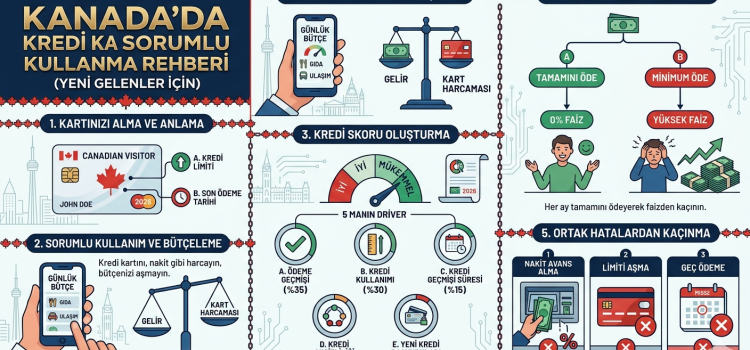
Recent Posts

  • Understanding utility bills in Canada – How to Understand Utility Bills in Canada: A Newcomer’s Guide (2026)
  • Documents Needed to Rent in Canada as a Newcomer
  • What Is a Lease Agreement in Canada? Your Newcomer’s Guide (2026)
  • Finding a Family Doctor in Canada – Finding the Right Family Doctor in Canada as a Newcomer
  • LinkedIn Tips Canada for Newcomers
  1. Cost of Living in Canada for Newcomers: Your 2026 Guide on Your Essential Student Budget in Canada Guide for Newcomers
  2. choose a bank Canada newcomer - How to Choose a Bank in Canada as a Newcomer in 2026 on First Month in Canada: Your Essential Checklist for Newcomers
  3. Avoid Common Newcomer Mistakes Canada: Your 2026 Guide on Cost of Living in Canada for Newcomers Your 2026 Guide
  4. best cities in Canada - Best Cities for Newcomers in Canada: Your 2026 Guide on First job Canada no experience – How to Find Your First Job in Canada Without Canadian Experience
  5. first job Canada no experience - Find Your First Job in Canada Without Canadian Experience on How to Open a Bank Account in Canada as a Newcomer 2026 Guide
First Year Canada
First Year Canada helps newcomers understand their first year in Canada with practical guides on banking, renting, credit score, jobs, documents, taxes, cost of living, and everyday life.

Quick Links

  • Contact
  • Privacy Policy
  • Editorial Policy
  • Disclaimer
  • Terms of Use
  • About

Cloud Tags

banking bills budgeting Canada Canada guide cost of living credit score day jobs Canada documents electricity employment essentials expenses finance Finding a Doctor in Canada first apartment Canada first job Canada first year first year Canada gas guide Healthcare in Canada housing immigrants international students internet job search Canada landlord LinkedIn mistakes newcomer Newcomer Benefits newcomer jobs newcomers newcomers in Canada newcomer work rental contract renting renting in Canada rent without credit history settlement tenant rights utilities utility bills water
First Year Canada 2026  |  Privacy Policy