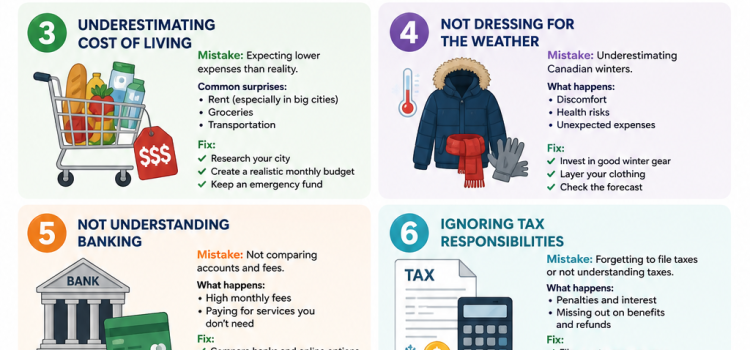
Common Mistakes Newcomers Make in Canada can be easier to manage when you know the basic steps , documents , costs , and official sources to check as a newcomer in Canada.
Moving to a new country is a significant life event , filled with excitement and challenges. For those arriving in Canada , understanding the local landscape , systems , and social norms is crucial for a smooth transition. This guide will explain some of the most common mistakes newcomers make in Canada and offer practical , research-based advice on how to avoid them. By being prepared , you can enhance your first year experience and build a strong foundation for your life in Canada .
Who This Guide Is For
This guide is specifically designed for newcomers to Canada , including permanent residents , international students , temporary foreign workers , and other first-time residents. If you are in your first year in Canada or planning your arrival , this information will help you navigate potential pitfalls and make informed decisions.
Practical Explanation: Identifying and Avoiding Key Mistakes
1. Underestimating the Cost of Living
One of the most significant challenges for many newcomers is the high cost of living in Canada , particularly in major cities. Housing , groceries , transportation , and utilities can be more expensive than anticipated. Failing to create a realistic budget is a common mistake that can lead to financial stress.
- How to Avoid: Research the cost of living for your specific destination city before arriving. Create a detailed budget that accounts for all potential expenses. The Financial Consumer Agency of Canada (FCAC) offers resources on budgeting.
2. Neglecting to Build a Canadian Credit History
In Canada , your credit history is vital for many aspects of life , including renting an apartment , getting a phone plan , and securing loans. Many newcomers arrive without a Canadian credit history , which can make these tasks difficult.
- How to Avoid: Start building your credit history as soon as possible. Consider applying for a secured credit card or a credit-builder loan. Pay your bills on time and in full. For more guidance , read our guide on Building Credit in Canada: A Newcomer’s Guide.
3. Not Opening a Canadian Bank Account Promptly
Delaying the opening of a Canadian bank account can complicate receiving wages , paying bills , and managing daily finances. Relying solely on international banking can incur high fees and delays.
- How to Avoid: Open a Canadian bank account shortly after arrival. Many banks offer special packages for newcomers. Compare services and fees. Our guide , How to Choose a Bank in Canada as a Newcomer , can assist you.
4. Misunderstanding the Job Market and Resume Standards
The Canadian job market can be competitive , and employers often look for “Canadian experience.” Resumes (CVs) and cover letters also follow specific formats that may differ from your home country.
- How to Avoid: Research Canadian resume formats and tailor your application materials. Network actively and consider volunteer work or informational interviews to gain local experience and connections. Explore resources from organizations like Employment and Social Development Canada.
5. Falling Victim to Rental Scams or Securing Inadequate Housing
Finding suitable housing can be challenging , especially without a Canadian credit history or local references. Some newcomers fall prey to rental scams or rush into unsuitable living arrangements.
- How to Avoid: Be cautious of deals that seem too good to be true. Never send money before viewing a property and signing a lease. Understand your tenant rights , which vary by province. Our articles , How To Rent An Apartment In Canada Without Credit History and What Documents Do You Need to Rent in Canada as a Newcomer , offer detailed advice.
6. Delaying Application for a Provincial Health Card
Access to healthcare in Canada is primarily through provincial health insurance plans. There can be a waiting period (often up to three months) before you become eligible for coverage. Delaying your application can leave you without essential medical coverage.
- How to Avoid: Apply for your provincial health card as soon as you are eligible after arriving. Research the waiting period for your specific province or territory. Consider private health insurance to cover the waiting period. Learn more in our guide on How to Get a Health Card.
7. Not Understanding Canadian Tax Obligations
Canada has a comprehensive tax system , and all residents are generally required to file an annual income tax return. Many newcomers are unaware of their obligations or available benefits.
- How to Avoid: Familiarize yourself with the Canada Revenue Agency (CRA) website. Understand that you may be eligible for various tax credits and benefits , even with low income. Consider attending free tax clinics offered by community organizations during tax season.
8. Overlooking Cultural Differences and Social Integration
Beyond practical matters , adapting to Canadian culture and building a social network is vital. Some newcomers experience isolation or cultural shock by not engaging with local communities.
- How to Avoid: Be open to new experiences and actively seek opportunities to meet people. Join community groups , volunteer , or participate in local events. Language and cultural training programs can also be beneficial.
Avoiding Common Newcomer Mistakes Checklist
Use this checklist to ensure you’re on track to avoid common pitfalls during your first year in Canada :
- ✓ Create a realistic budget for your city of residence.
- ✓ Open a Canadian bank account shortly after arrival.
- ✓ Begin building your Canadian credit history (e.g. , secured credit card).
- ✓ Research Canadian job market standards and tailor your resume.
- ✓ Understand tenant rights and be wary of rental scams.
- ✓ Apply for your provincial health card promptly.
- ✓ Learn about Canadian tax obligations and benefits.
- ✓ Actively seek opportunities for social and cultural integration.
- ✓ Keep all important documents organized and secure.
- ✓ Seek support from settlement services and community organizations.
Common Mistakes & How to Avoid Them
This table summarizes some of the common mistakes newcomers make in Canada and offers quick prevention strategies:
| Common Mistake | Impact | How to Avoid |
|---|---|---|
| Underestimating living costs | Financial stress , debt | Detailed budgeting , research specific city costs |
| Ignoring credit history | Difficulty renting , getting loans , phone plans | Apply for secured credit card , pay bills on time |
| Delaying bank account setup | High fees , payment issues | Open account shortly after arrival , compare banks |
| Incorrect resume format | Difficulty finding employment | Tailor resume to Canadian standards , network |
| Rental scams | Financial loss , homelessness | Verify landlords/properties , never send money before viewing |
| Health card delay | No medical coverage during waiting period | Apply ASAP , consider private insurance for interim |
| Not understanding taxes | Missed benefits , legal issues | Review CRA website , attend tax clinics |
| Social isolation | Mental health impact , slow integration | Join groups , volunteer , seek community support |
Frequently Asked Questions (FAQ)
What is the most common financial mistake newcomers make?
The most common financial mistake is often underestimating the overall cost of living , especially for housing and groceries , and not creating a realistic budget. Another significant mistake is neglecting to start building a Canadian credit history early , which can hinder many financial transactions later on.
How can I avoid rental scams in Canada?
To avoid rental scams , always verify the landlord and property. Insist on viewing the property in person (or via a trusted representative) before making any payments. Never pay large deposits or the first month’s rent before signing a formal lease agreement. Be suspicious of offers that seem unusually cheap or landlords who pressure you for immediate payment without proper documentation.
Is it true that Canadian employers require ” Canadian experience”?
While many Canadian employers prefer candidates with “Canadian experience ,” it’s not always a strict requirement. This preference often stems from a desire for candidates familiar with local workplace culture , regulations , and industry practices. You can overcome this by highlighting transferable skills , volunteering , networking , and tailoring your resume to emphasize relevant international experience in a Canadian context. Many newcomers find their first job through entry-level positions or roles that value diverse backgrounds.
What should I do in my first month in Canada to avoid major issues?
In your first month , prioritize obtaining your Social Insurance Number (SIN) , opening a bank account , applying for your provincial health card , and securing temporary accommodation. Start researching long-term housing options , understanding public transportation , and exploring settlement services available to you. Our First Month in Canada: Your Essential Checklist for Newcomers provides a detailed guide.
Disclaimer
This article is for general information only and does not provide financial , legal , tax , or immigration advice. Rules , requirements , fees , and programs may change. Always check official sources or speak with a qualified professional before making decisions.
Sources and Official Resources
- Canada.ca: The official website of the Government of Canada , offering information on immigration , employment , taxes , and more. https://www.canada.ca%%FYC_PROTECT_251%%%%FYC_PROTECT_252%%
- Financial Consumer Agency of Canada (FCAC): Provides financial literacy tools and information for Canadians. https://www.canada.ca/en/financial-consumer-agency.html%%FYC_PROTECT_257%%%%FYC_PROTECT_258%%
- Canada Revenue Agency (CRA): Information on income tax , benefits , and credits. https://www.canada.ca/en/revenue-agency.html%%FYC_PROTECT_263%%%%FYC_PROTECT_264%%
- Immigration , Refugees and Citizenship Canada (IRCC): Official source for immigration and citizenship information. https://www.canada.ca/en/immigration-refugees-citizenship.html%%FYC_PROTECT_269%%%%FYC_PROTECT_270%%
- Statistics Canada: Provides data on various aspects of Canadian life , including cost of living. https://www.statcan.gc.ca%%FYC_PROTECT_275%%%%FYC_PROTECT_276%%
- Provincial/Territorial Government Websites: For specific information on health cards , housing regulations , and services in your province or territory (e.g. , Ontario.ca , BC.ca).
Conclusion
Navigating your first year in Canada can be smoother and more successful by being aware of and actively working to avoid the common mistakes newcomers make in Canada. Proactive planning , informed decision-making , and utilizing available resources will empower you to integrate effectively and thrive in your new home. Remember that seeking help from settlement agencies and community groups is a sign of strength , and they are there to support your journey.
